


Travelers flooded the comments admitting they fly with weed. A top cannabis lawyer says that is not the federal exposure people think it is. The confession that counts is the one operators are signing to go legal.
High Times posted a routine update. The TSA had quietly changed a line on its website about traveling with medical marijuana, and the comment section did something worth paying attention to. It filled with people admitting they had been doing this for years.
Comment after comment said the same thing. They had flown with cannabis for years, some for decades. Flower, vapes, edibles, concentrates. A handful copped to amounts well past anything personal. The throughline was that the TSA had never seemed to care, that the agency was looking for weapons and explosives, and waved the rest through.
Plenty of others read it differently. They called it a trap, a setup, a sting, and joked about how many feds they figured were reading the thread. Which gets at the question we had too. If you publicly admit you have been flying with weed, is that a confession the government can use against you?
We put it to Bob Hoban, a cannabis attorney who, by his own count, has drafted marijuana laws and regulations in over 35 countries and roughly a dozen U.S. states, often working directly for the governments doing the regulating. His answer reframed the whole thing.
Start with what is true. Rescheduling did not legalize carrying weed through an airport. Recreational marijuana is still Schedule I, and simple possession is a federal offense under 21 U.S.C. 844, the statute covering personal-quantity possession. Even the state-licensed medical products moved to Schedule III in April are not automatically legal to possess, because a Schedule III substance is lawful to hold only with proper authorization, and whether a state medical card satisfies that federally is one of the questions the order left open. On paper, a joint in your carry-on is still a federal risk. Hoban’s point is about how that law actually gets enforced.
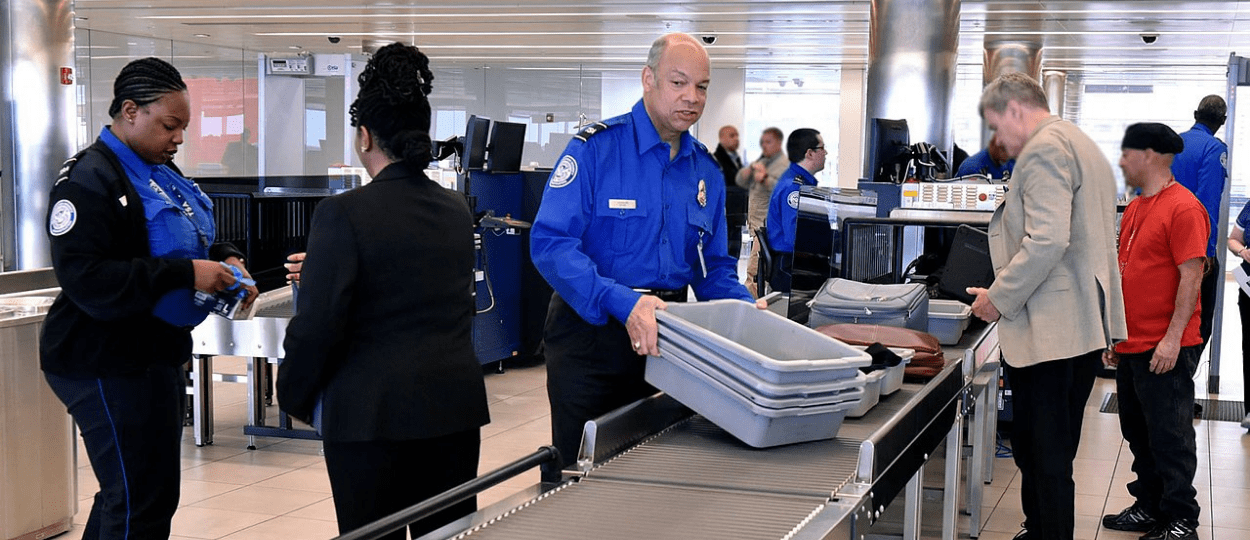
Federal enforcement, in practice, tends to focus on trafficking-scale quantities rather than personal possession. When the TSA comes across someone’s personal stash, its own policy is to refer the matter to local law enforcement, not to call in federal agents. Depending on the state, that can mean a shrug, a confiscation, a small fine or a ticket. The federal system tends to hand the small stuff off.
So a person in the comments saying they fly with weed is, in Hoban’s read, describing conduct that is technically illegal and realistically not the thing federal authorities are going to pursue. The risk is real on paper and small in practice.
Which makes it the wrong confession to fixate on.
The Real Confession Is On A Federal Form
Here is the one that counts. On April 23, acting Attorney General Todd Blanche signed an order moving state-licensed medical marijuana from Schedule I, the federal government’s most restrictive drug category, to Schedule III, the tier reserved for drugs with accepted medical use. To collect the benefits of that move, including relief from Section 280E, the tax rule that blocks cannabis businesses from writing off normal expenses, medical operators have to register with the DEA.
That registration form is where the legal tension becomes unavoidable. Section 4, the Liability Questions, asks each applicant one question that many operators in the country have to answer the same way:
“Has anyone who will be involved in the ownership or operation of the firm previously manufactured, distributed, and/or dispensed any controlled substance without a DEA registration authorizing such activity?”
DEA Medical Marijuana Dispensary Information Submission form, Section 4
Read it again. A state-licensed cannabis company that has manufactured, distributed or dispensed marijuana, a controlled substance, without a DEA registration, because that registration did not exist until now, has an honest answer of yes. And a yes comes with instructions: name every person involved and write a brief explanation of the conduct, as Cannabis Business Times laid out when it first flagged the question.
In plain terms, the form asks operators to account for what they did before this registration existed. Answer honestly, and you may be documenting federally illegal conduct. Answer falsely, and you create a separate legal problem. Filing false information on the application carries up to four years in prison and a $250,000 fine.
The Government’s Answer
Cannabis Business Times, which first reported the issue in late April, put the question to the DEA directly. The agency’s position is that this is routine. It described the question as standard background information relevant to compliance, said it is not limited to any particular timeframe, and later added that it is not meant to work as an automatic bar to getting registered.
The constitutional question is not clean either. Courts have long upheld broad disclosure requirements in regulated licensing systems, which is part of why this sits in legally murky territory rather than on clearly unconstitutional ground.
Hoban does not dispute that the language tracks the kind of disclosure any regulated industry demands. Alcohol, tobacco, pharmaceuticals, all of them make you open the books to get a license. His point is narrower and harder to wave off. In every one of those industries, the conduct being disclosed was legal when it happened. For cannabis operators, it was not.
Why Going Legit Is The Trap
This is the bind Hoban built a career inside. When he started, he says, the lawyers working in cannabis refused to put anything on paper. No leases, no contracts, no invoices, because every document was evidence of a federal crime. Hoban argued the opposite. If you wanted to be treated like a real business, you had to paper yourself like one, and hand the government the records it needed to license you, tax you and let capital in.
For years, one thing made that gamble survivable. The Rohrabacher-Farr amendment, a budget rider Congress kept renewing, barred the Justice Department from spending money to go after state-legal medical marijuana. It was never extended to recreational cannabis. So the real exposure always sat on the adult-use side, where the federal shield never reached.
Which is why Hoban’s read on rescheduling runs opposite to the industry’s celebration. Schedule III is being sold as relief, and for a medical operator, it may be exactly that. The complication is that most operators are not only medical. They run adult-use, too, and adult-use marijuana stays Schedule I. To claim the medical benefits, you register with the DEA. To register, you account for your conduct. And if you are still selling recreational marijuana on the other side of the business, you are either describing ongoing federal crimes or betting the government will not connect the two halves of your own company.
His advice to clients is structural. Put the medical licenses in one company, the adult-use and hemp licenses in others, commonly owned but run and located separately, so a problem on one side cannot reach across to the other.
For a decade, the industry was told to come out of the shadows, put it on paper, become a legitimate business. The paperwork finally arrived. To prove they qualify now, operators may have to describe the years when federal law still treated their state-licensed work as a crime.
Editor’s note: This article draws on public records, linked reporting and an interview with attorney Bob Hoban. It describes federal law and one attorney’s legal analysis. It is not legal advice and is not a suggestion to travel with cannabis, which remains illegal under federal law. Where the application of federal law remains unsettled, that is stated in the text.
