Close Menu
  • Home
  • International
  • News
  • Lifestyle
  • Law
  • Business
  • Education
  • Vaping

Subscribe to Updates

Get the latest creative news from FooBar about art, design and business.

What's Hot

Client Challenge

June 5, 2026

They Already Ruined Cannabis. Now Psychedelics Are Next.

June 5, 2026

Vertanical Secures FDA Breakthrough Designation for Cannabis Pain Drug

June 5, 2026
Facebook X (Twitter) Instagram
Friday, June 5
  • Home
  • Contact
  • Privacy Policy
  • Terms & Conditions
Facebook X (Twitter) Instagram LinkedIn VKontakte
Smoke Advantage
  • Home
  • International

    Medical Cannabis Patients Report Reduced Prescription Drug Use

    May 8, 2026

    Cannabis Europa Heads to London Amid €1.5 Billion European Market Surge

    May 6, 2026

    Ananda Pharma to Begin Dosing in NHS CBD Endometriosis Trial

    March 7, 2026
  • News

    Vertanical Secures FDA Breakthrough Designation for Cannabis Pain Drug

    June 5, 2026

    Exercise common amongst cannabis users, new study finds

    June 5, 2026

    Amsterdam Drops Coffeeshop Tourist Ban In New Coalition Deal

    June 4, 2026

    Wyoming Official Issues ‘Objection’ To Rescheduling Marijuana Under State Law Following Trump’s Federal Move

    June 4, 2026

    UK Medical Cannabis Patients Report Improved Mental Health Symptoms

    June 3, 2026
  • Lifestyle

    Rappin’ The Rivers Is Building Montana’s Hip-Hop Outpost

    June 4, 2026

    Harry Styles Says He Did A Lot of Mushrooms Making ‘Fine Line.’ A Top Psychedelic Scientist Explains Why It Tracks.

    May 31, 2026

    Twenty-One Years Later, Conor Oberst Is More Wide Awake Than Ever

    May 29, 2026

    What the VA Won’t Prescribe: A Joint

    May 27, 2026

    Scary Movie Went All In On Marketing To Stoners. A Vape, A Bong Popcorn Bucket, The Whole Thing.

    May 25, 2026
  • Law

    Client Challenge

    June 5, 2026

    Kentucky Gov. Signs Order to Add 15 New Qualifying Conditions for Medical Cannabis

    June 4, 2026

    Minnesota Gov. Signs Law Streamlining Medical and Adult-Use Cannabis Supply Chains

    June 2, 2026

    NORML Seeks to Participate in DEA Hearings on Cannabis Rescheduling 

    May 29, 2026

    Massachusetts Regulators to Audit Cannabis THC Potency Levels

    May 26, 2026
  • Business

    They Already Ruined Cannabis. Now Psychedelics Are Next.

    June 5, 2026

    The Cannabis Consumer Has Grown Up. Has Your Hardware?  – Cannabis & Tech Today

    June 4, 2026

    Pre-Rolls Overtake Flower as Consumer Preferences Shift – Cannabis & Tech Today

    May 30, 2026

    Marc Shepard Built NECANN for the Locals

    May 29, 2026

    Federal Labor Decision Inspires More Missouri Marijuana Workers To Seek Unionization

    May 27, 2026
  • Education

    The “Canna-Tourism” Guide to the Twin Cities

    June 4, 2026

    CBD Dosage Guide for Beginners (India) – Buy CBD Oil India | Licensed Under Ministry of Ayush

    June 2, 2026

    Marijuana Components Have ‘Consistent’ Anti-Tumor Effects In Glioblastoma And Other Cancers, Scientific Review Shows

    May 31, 2026

    Beyond Cannabinoids: Unlocking Cannabistilbenes

    May 29, 2026

    How the Endocannabinoid System Controls Sleep, Mood & Pain – Buy CBD Oil India | Licensed Under Ministry of Ayush

    May 27, 2026
  • Vaping

    France’s Criminilization of Nicotine Pouches Raises Questions Over Tobacco Harm Reduction Policy

    June 4, 2026

    Psychedelics, Vapes and Smart Apps: Smoking Cessation Science Evolves Beyond Traditional NRTs

    June 2, 2026

    Review: Coolfire Z Air – Innokin

    May 31, 2026

    Tobacco Harm Reduction: An Especially Beneficial Public Health Tool for Disadvantaged Groups

    May 29, 2026

    Global Vaping Research 2026: Cancer Concerns, Nicotine Science and Smoking Cessation Evidence

    May 27, 2026
Smoke Advantage
You are at:Home»Vaping»The FDA Announces it Will Ease Vape Enforcement. Is This a First Step Towards an Effective Smoking Cessation Strategy?
Vaping

The FDA Announces it Will Ease Vape Enforcement. Is This a First Step Towards an Effective Smoking Cessation Strategy?

adminBy adminMay 17, 2026No Comments9 Mins Read
Facebook Twitter Pinterest LinkedIn Tumblr Email
Share
Facebook Twitter LinkedIn Pinterest Email
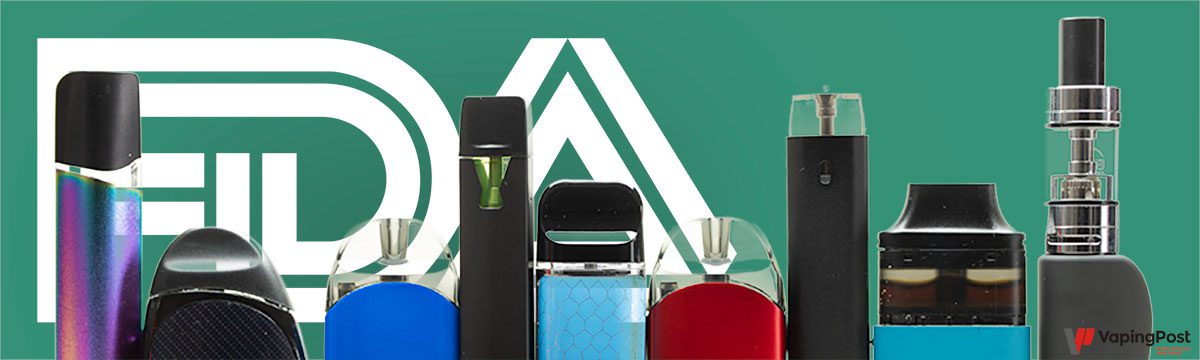
The FDA’s latest guidance on vaping regulation marks a major change in the American nicotine debate. This shift is based more on practical regulation than on ideology. Critics call the agency’s new enforcement policy a “get-out-of-jail-free card” for vape manufacturers. Tobacco harm reduction experts, however, say the FDA is finally recognising that the current system has not kept up with consumer demand, new technology, or the urgent need to reduce smoking-related disease.

A realistic shift in vape enforcement

Under newly issued guidance, the FDA announced it will no longer prioritise enforcement against certain unauthorised vaping and nicotine pouch products already on the market, provided manufacturers have submitted and maintained premarket tobacco product applications (PMTAs) under review.

Under newly issued guidance, the FDA announced it will no longer prioritise enforcement against certain unauthorised vaping and nicotine pouch products already on the market, provided manufacturers have submitted and maintained premarket tobacco product applications (PMTAs) under review. For flavoured products, companies must also provide sufficient evidence demonstrating that their products may be “appropriate for the protection of public health” (APPH).

Former FDA tobacco chief Mitch Zeller was quick to criticise the move as a “get-out-of-jail-free card” for companies that launched products without formal authorisation. He also argued the policy was unfair to businesses that followed the rules and kept products off shelves pending approval. But that criticism ignores the reality that the FDA itself helped create.

The agency’s authorisation process has become so restrictive, expensive, and slow that it has effectively frozen much of the legal smoke-free nicotine market while millions of consumers continue using these products anyway. In practice, the result has not been reduced vaping, but the rapid expansion of a vast illicit market dominated by flavoured disposable products imported from overseas.

An expert critique that may have influenced the move

This is precisely the point made in a major recent critique submitted to the FDA by tobacco harm reduction experts, including Clive Bates, Brad Rodu, Sally Satel, and David Sweanor, prior to the guidance release. The experts highlighted that the agency acts as if consumer behaviour happens in isolation, ignoring illegal markets, what adults want, and how vaping has helped people move away from smoking.

This reality has been hard to overlook. Even after years of FDA crackdowns, flavoured disposable vapes still lead the U.S. market. Estimates indicate that unauthorised products make up about 80 per cent of all ENDS sales. Many adults keep using flavoured products because they prefer them when trying to quit cigarettes. Instead of ignoring this market, the FDA now seems to be finally recognising this reality (or so we hope). The agency is shifting its focus to target truly dangerous actors and illegal imports, rather than going after every company trying to work through a very tough approval process.

On discussing the FDA guidance with Vaping Post, Clive Bates agreed that by proposing a temporary “pending scientific review” category for products stuck in its lengthy PMTA process, the FDA appears to be acknowledging the practical realities of vaping. The idea was, in fact, recommended in the report by Bates and his peers.

“11. Formally Recognize the Status of Products Pending Scientific Review

It is legally imperative that the FDA design and resource a regulatory system capable of reviewing applications within the statutory 180 days. But many companies and products remain stuck in the FDA’s review process, waiting far longer than 180 days for a decision.

On a transitional basis, the FDA should recognize a new status, “pending scientific review,” for applications that have been successfully filed (i.e., an FDA determination that the application contains sufficient information to permit a substantive review) but do not have a resolution within 180 days. The FDA should list such products as “pending scientific review” in its searchable tobacco products database46 and agree to use its enforcement discretion to not take enforcement action against products still in review because of unlawful delays in the FDA’s evaluation. A new category that recognizes the FDA’s transitional noncompliance would clarify the status of such products for consumers, retailers, and other stakeholders.“

However, added Bates, whether the FDA’s new approach succeeds will depend largely on implementation. If it allows a broad range of products adults actually use—particularly popular non-tobacco flavours—it would support smokers and likely reduce illicit market demand. However, if only a small number of mainly tobacco-flavoured products are allowed on a “pending review” basis, adult demand will remain unmet, potentially protecting cigarette sales and sustaining black markets.

He highlighted that the situation for non-tobacco-flavoured products remains more vague.”For tobacco-flavoured products, the application must be successfully ‘filed’ (i.e., ready for substantive scientific review). There could be many of these, but it’s hard to tell. Thousands of applications have been filtered out of the review process at the initial acceptance review (roughly, is the paperwork all in place?) and filing review (roughly, is all the required evidence included in the paperwork?).

“The flavour guidance also envisages an easier pathway for flavours that the FDA believes are not youth-appealing (coffee, tea, spices, etc.), so maybe we will see more of those.”Clive Bates, THR Expert, The Counterfactual

For non-tobacco flavoured, the position is less clear. The application must be filed and ‘for nontobacco-flavored ENDS products, if FDA has determined that the application also includes data necessary to evaluate whether such product is appropriate for the protection of the public health.’ I take this to mean that the applicant has submitted trials or longitudinal studies that could potentially meet the FDA’s comparative efficacy test as set out in its draft guidance on PMTAs for flavored ENDS. I think that will be only a few, given the costs involved in meeting these requirements. The flavour guidance also envisages an easier pathway for flavours that the FDA believes are not youth-appealing (coffee, tea, spices, etc.), so maybe we will see more of those.”

Bates explained that uncertainty also remains over how many products are currently eligible. “FDA reports its process metrics here, but it is hard to determine how many are at any given stage because the data are not presented that way. For example, 588 applications (361 ENDs, 10 HTP, 187 pouches) were filed for scientific review from Oct 24 to Dec 25, while 187,543 marketing denial orders (mostly related to earlier applications) were issued, but we don’t know how many that leaves still under review.” Ultimately, he concluded, the agency’s plan to publish a rolling list of products exempt from enforcement is positive, adding that interaction with state registry laws could effectively align federal and state enforcement policies.

Flavoured products approved for the first time

At the same time, last week, the agency approved four flavoured electronic nicotine delivery system (ENDS) products through the PMTA process: Classic Menthol, Fresh Menthol, Gold, and Sapphire from the Glas brand. Notably, this is the first time the FDA has authorised ENDS products with flavours other than tobacco or menthol. This decision is, of course, very significant because it goes against years of claims from anti-vaping activists, who said flavoured products could never meet the FDA’s public health standard.

The FDA says it approved these products after a thorough scientific review. Glas uses advanced access restrictions and strict marketing controls to help keep youth from using the products. The device requires age checks with government ID, Bluetooth pairing with a smartphone, and regular biometric identity checks. If the device is not connected to the registered phone, it stops working.

The FDA said this approval is part of a broader harm-reduction effort. “More than 25 million Americans still smoke combustible cigarettes, and they deserve better, less harmful alternatives.” It also acknowledged that smoking is still the leading preventable cause of death in the United States. This view, of course, matches growing international evidence that smoke-free nicotine products can help people quit smoking and reduce harm.

A 2025 Cochrane Review found with strong certainty that nicotine vaping products help people quit smoking better than traditional nicotine replacement therapies like patches or gum. While Public Health England (PHE) has consistently maintained that vaping is about 95 per cent less harmful than smoking. In fact, countries like the United Kingdom, Sweden, Japan, and New Zealand, which have included harm reduction in their national tobacco strategies, have been successful in reducing local smoking rates to unprecedented lows.

More on the flavour bans’ debacle

The FDA’s recent decisions also reflect arguments made by Bates and his colleagues. They say the agency has focused too much on youth vaping and not enough on adult smokers. Their submission pointed out that there are about 34 times more adult nicotine users than youth users in the U.S., and adult smoking is still the main cause of tobacco-related deaths. They further argued that the FDA has systematically failed to account for the “displacement effect” — the likelihood that many young people who vape would otherwise have smoked cigarettes in the absence of vaping products. U.S. youth smoking rates have collapsed to historic lows during the same period that vaping became widespread.

The group also questioned the idea that flavours alone “cause” youth nicotine use. In line with scientific findings, they highlighted that while young people may like flavoured products, trying nicotine is influenced by many other factors, such as peer behaviour, personality, mental health, family environment, and risk-taking.

Common sense at last?

In contrast, real-world evidence has shown that simple flavour bans can have unintended effects. Several U.S. economic studies found that state-level vape flavour restrictions led to more cigarette sales. While the FDA’s PMTA process, allowing only a tiny number of smoke-free nicotine products while leaving thousands of combustible cigarettes on the shelves, has unintentionally pushed people towards illicit trade and given cigarettes an unfair advantage.

The numbers tell a pretty clear story. In the U.S., over 15,000 types of combustible tobacco are still legally sold, while there are only a handful of approved vaping products, nicotine pouches, and heated tobacco devices. But it seems like, finally, the FDA may be starting to acknowledge and address this imbalance.


Source link

Announces Cessation ease effective Enforcement FDA Smoking step Strategy Vape
Share. Facebook Twitter Pinterest LinkedIn Tumblr Email
Previous ArticleZeroEyes and the Power of AI-Based Weapons Detection – Cannabis & Tech Today
Next Article Texas’s On-Again, Off-Again Hemp Product Ban Causes Confusion For Businesses And Consumers
admin

Related Posts

Vertanical Secures FDA Breakthrough Designation for Cannabis Pain Drug

June 5, 2026

France’s Criminilization of Nicotine Pouches Raises Questions Over Tobacco Harm Reduction Policy

June 4, 2026

Psychedelics, Vapes and Smart Apps: Smoking Cessation Science Evolves Beyond Traditional NRTs

June 2, 2026
Leave A Reply Cancel Reply

Our Picks

Client Challenge

June 5, 2026

They Already Ruined Cannabis. Now Psychedelics Are Next.

June 5, 2026

Vertanical Secures FDA Breakthrough Designation for Cannabis Pain Drug

June 5, 2026

Exercise common amongst cannabis users, new study finds

June 5, 2026
  • Facebook
  • Twitter
  • Pinterest
  • Instagram
  • YouTube
  • Vimeo
Don't Miss
Law

Client Challenge

By adminJune 5, 20260

Client Challenge JavaScript is disabled in your browser. Please enable JavaScript to proceed. A required…

They Already Ruined Cannabis. Now Psychedelics Are Next.

June 5, 2026

Vertanical Secures FDA Breakthrough Designation for Cannabis Pain Drug

June 5, 2026

Exercise common amongst cannabis users, new study finds

June 5, 2026

Subscribe to Updates

Get the latest creative news from Smoke Unlimited about Weed & CBD vaping.

From Our Partners
About Us
About Us

Get all the current news stories, latest trends and legislation regarding cannabidiol, products, usages and its benefits. So don’t miss out any buzz and stay tuned! We offer a minute to minute updates regarding Marijuana industry.

Facebook X (Twitter) Instagram Pinterest
Our Picks

Client Challenge

June 5, 2026

They Already Ruined Cannabis. Now Psychedelics Are Next.

June 5, 2026

Vertanical Secures FDA Breakthrough Designation for Cannabis Pain Drug

June 5, 2026
Sponsors
Copyright © 2026. SmokeAdvantage.com
  • Home
  • Contact
  • Privacy Policy
  • Terms & Conditions

Type above and press Enter to search. Press Esc to cancel.